
Forex trading can create exciting opportunities, but long-term success depends less on finding perfect entries and more on managing risk effectively. In 2026, with fast-moving currency markets, global macro events, and widespread retail trading access, risk management remains the foundation of consistent Forex performance.
Whether you are a beginner learning how to trade currency pairs or an experienced trader refining your system, understanding Forex risk management can help you reduce avoidable losses, preserve capital, and improve decision-making.

What Is Forex Risk Management?
Forex risk management is the process of controlling how much money you can lose on a trade, over a day, or across your entire portfolio. Instead of focusing only on potential profit, disciplined traders first define acceptable downside and then build their strategy around that limit.
In practical terms, Forex risk management includes choosing the right position size, using stop-loss orders, limiting leverage, avoiding overtrading, and maintaining clear rules during volatile market conditions.
Why Risk Management Matters More Than Entry Timing
Many traders spend too much time searching for perfect entry signals while ignoring risk. Even a strong strategy can fail if losses are too large or discipline is inconsistent.
Effective risk management creates stability. It protects your account from major drawdowns and allows you to stay in the market long enough to benefit from profitable trades.
Main Types of Risk in Forex Trading
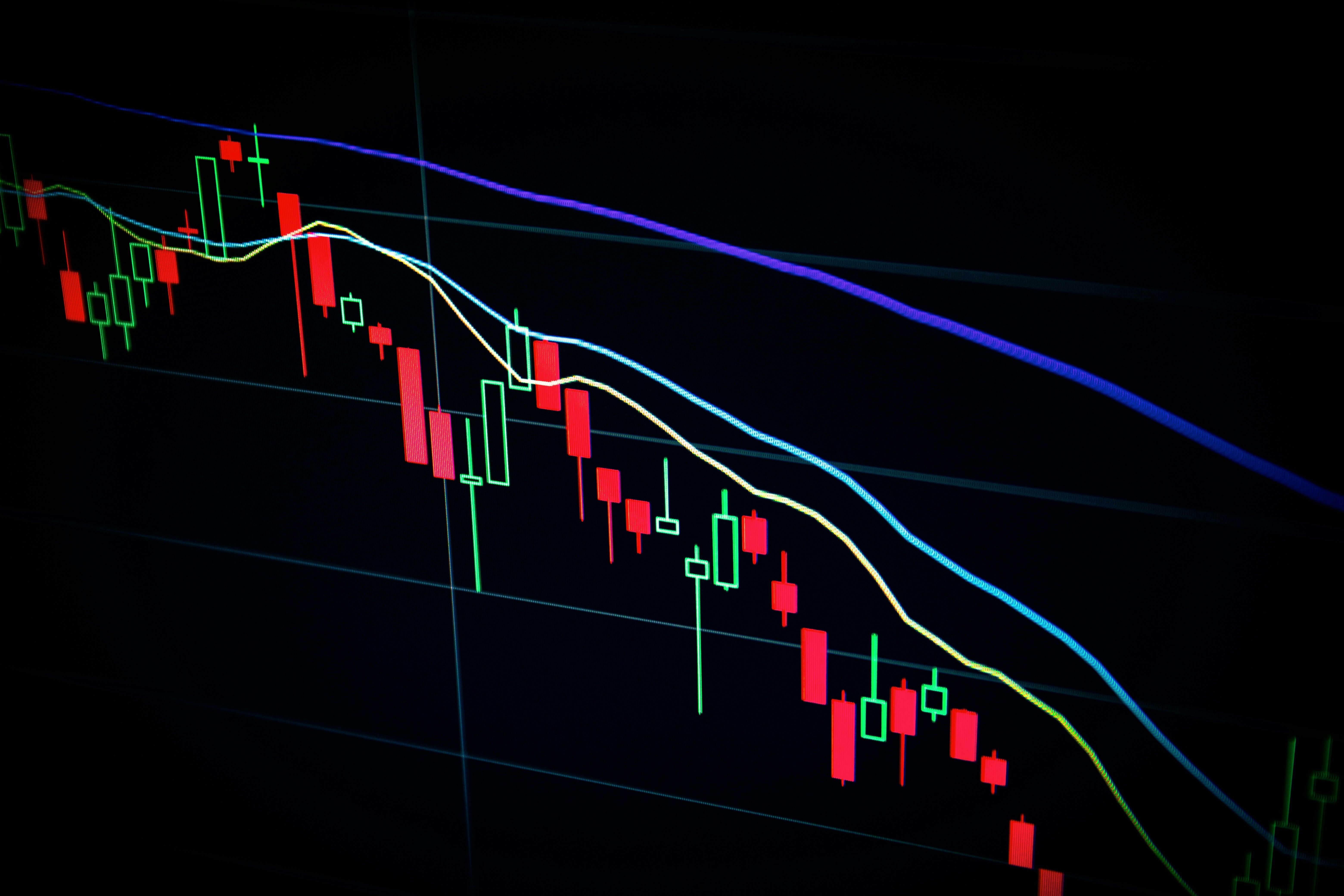
- Market Risk: Price movements driven by economic data and global events
- Leverage Risk: Amplified gains and losses due to borrowed capital
- Liquidity Risk: Wider spreads during low trading activity
- Volatility Risk: Rapid price swings in unstable conditions
- Psychological Risk: Emotional decisions such as fear or greed
- Execution Risk: Slippage and order delays during high-impact events
How Much Should You Risk Per Trade?
A common rule among Forex traders is to risk only 1–2% of your account per trade. This approach helps limit damage during losing streaks and keeps your account stable.
For example, if your account is $10,000 and you risk 1%, your maximum loss per trade is $100. This amount determines your position size together with your stop-loss distance.
Position Sizing in Forex
Position sizing determines how large your trade should be based on your risk tolerance. Instead of choosing trade size randomly, disciplined traders calculate it using account size and stop-loss distance.
This ensures that every trade follows a consistent risk structure, reducing emotional decision-making.
Using Stop-Loss Orders Correctly
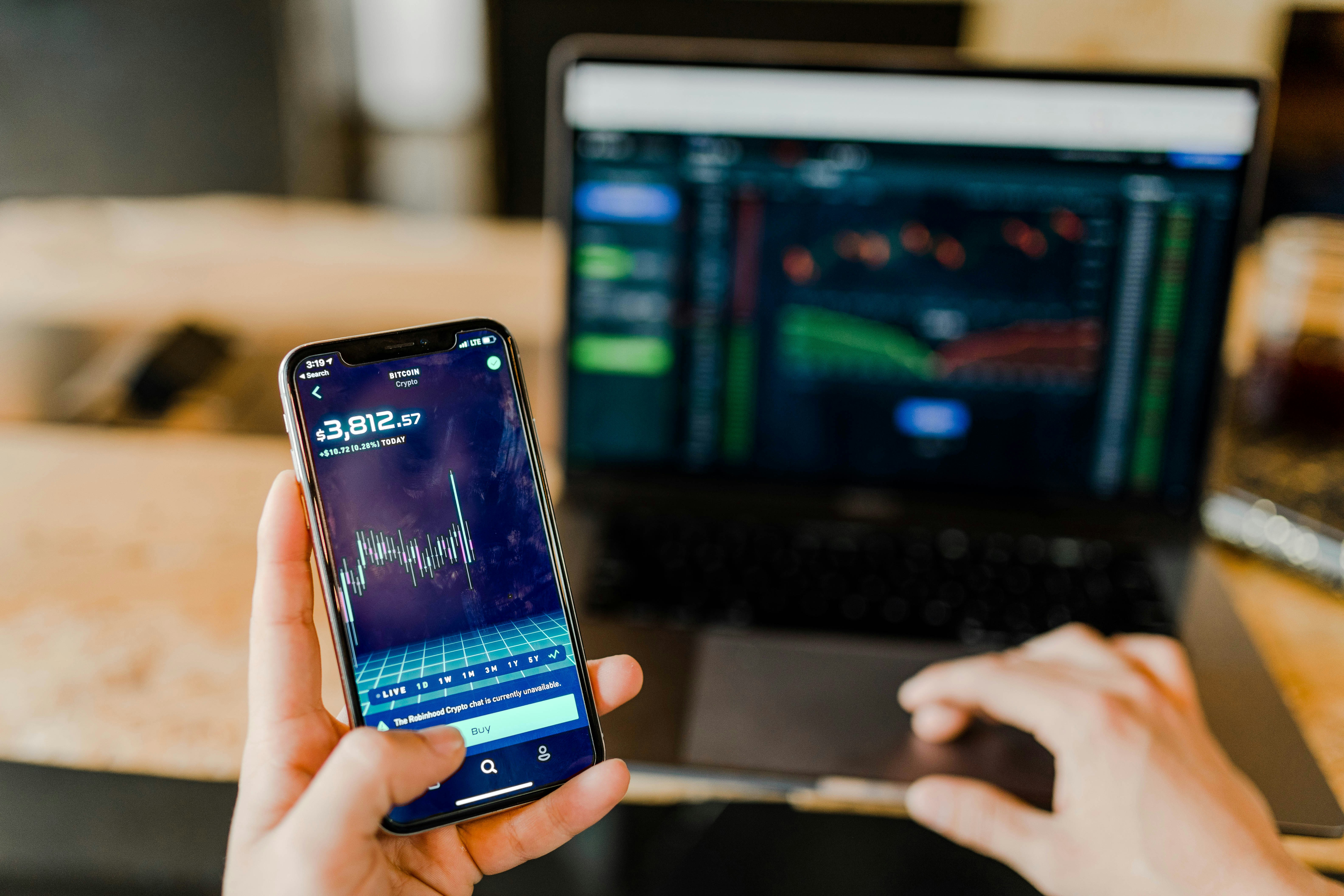
Stop-loss orders define the maximum loss you are willing to accept on a trade. They are essential for protecting your capital and preventing small losses from becoming large ones.
Stops should be placed based on market structure or volatility, not arbitrary values. Consistency in execution is key to long-term success.
Risk-Reward Ratio Explained
The risk-reward ratio compares how much you risk versus how much you aim to gain. A 1:2 ratio means you risk 1 unit to potentially gain 2.
Using favorable risk-reward setups allows traders to be profitable even if they do not win every trade.
The Danger of Overleveraging
Leverage increases exposure, which can magnify both profits and losses. While it can boost returns, it also increases the chance of rapid account depletion.
Professional traders often use lower leverage to maintain control and reduce risk.
Managing Risk During News Events
Economic news releases can cause sudden volatility in Forex markets. Interest rate decisions, inflation reports, and employment data often lead to unpredictable price movements.
Many traders reduce position sizes or avoid trading during major events to limit risk exposure.

Daily and Weekly Loss Limits
Setting daily and weekly loss limits helps prevent emotional trading decisions. For example, stopping trading after a 3% daily loss can protect your account from further damage.
Psychology and Discipline
Emotional control is a critical part of risk management. Fear and greed can lead to poor decisions such as overtrading or ignoring stop-losses.
Maintaining discipline and following a structured trading plan helps reduce these risks.
Best Practices for Beginners
- Risk only a small percentage per trade
- Always use stop-loss orders
- Avoid high leverage
- Focus on a few currency pairs
- Keep a trading journal
Conclusion
Forex risk management is essential for long-term trading success. By controlling losses, using proper position sizing, and maintaining discipline, traders can navigate volatile markets more effectively.
In 2026, the most successful traders are not those who chase profits, but those who manage risk intelligently and consistently.